
What types of labels can RFID printers print
Leave a message
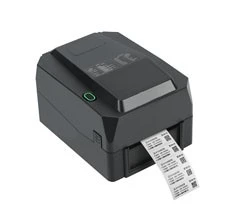
RFID label printers can work with a very wide range of RFID labels, and the best choice depends on the material, the radio frequency, and the physical environment in which the label will live.
The most everyday option is a thin paper label with an inlay laminated between printable paper faces. These labels are inexpensive, take thermal-transfer or direct-thermal ribbon ink well, and are ideal for carton, pallet or document tagging where the surface is flat, clean and non-metallic. When something tougher is needed, printers can also accept glossy PVC or PET labels that resist tearing, water and chemicals; these are common for equipment nameplates, outdoor asset tags or employee badges.
For curved or flexible packaging-cosmetic bottles, tyres, shrink-wrapped goods-there are soft, bendable inlays mounted on thin polypropylene or polyethylene films so the antenna will not break when the label flexes. In the clothing industry the inlay is often sewn or heat-sealed inside a washable fabric care label; these labels survive industrial laundering and high-temperature drying, so the printer must be able to handle smooth, textile-like stock without wrinkling it.
Metal surfaces present a special problem because they de-tune conventional antennas, so printers can also load on-metal or "抗金属" labels. These contain a built-in ferrite or foam spacer that isolates the antenna from the metal, letting the tag be read even when it is stuck directly to steel racks, IT cabinets, machine parts or vehicles. They are thicker than ordinary labels and usually require a industrial-grade printer with a wider gap sensor and stronger motor.
Frequency matters too. If the application needs short-range, high-security identification-library books, NFC cards, sample tubes-the printer will be configured for 13.56 MHz HF inlays. For supply-chain or retail work, where pallets or hanging garments must be read from several metres away, the same printer can be loaded with 860–960 MHz UHF inlays. Some desktop models can only handle 0.1–0.2 mm thick labels, while heavy-duty models accept up to 1.2 mm on-metal or flexible labels on 300 m ribbon rolls.
In short, an RFID label printer can print and encode anything from a simple paper shipping label to rugged, washable fabric tags, flexible packaging labels or thick on-metal asset badges, provided the media meets the printer's thickness, pitch and antenna-frequency specifications.
More details, please contact us by email: sales@core-smart.cn
https://www.coresmart-equipment.com