
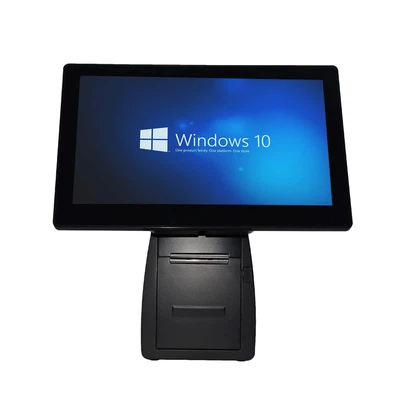
A cash register used in retail stores
Leave a message
In retail stores, a cash register, also known as a point of sale (POS) system, plays a crucial role in managing transactions and inventory. Here's a description of its use:
1. Transaction Processing: Customers make purchases, and the cashier enters the items into the cash register. The system calculates the total cost, including taxes and discounts, and processes the payment.
2. Payment Methods: Cash registers are equipped to handle various payment methods, including cash, credit/debit cards, and digital wallets. They often have a card reader and a keypad for PIN entry.
3. Receipt Printing: After a transaction, the cash register prints a receipt for the customer, which includes details of the purchase, total amount, and payment method.
4. Inventory Management: Each item sold is recorded in the cash register, which updates the inventory levels. This helps in tracking stock and identifying when it's time to reorder.
5. Price Lookup: Cash registers can look up item prices, which is useful when items are not barcoded or when prices need to be manually entered.
6. Sales Reporting: At the end of the day, the cash register can generate sales reports, which provide insights into the day's sales, best-selling items, and more.
7. Customer Loyalty Programs: Many cash registers are integrated with customer loyalty programs, allowing customers to earn points or discounts when they make purchases.
8. Security: Cash registers are designed to keep cash and receipts secure. They often have a lockable cash drawer and a tamper-proof design to prevent theft.
9. Integration with Other Systems: Modern cash registers can be integrated with other systems, such as accounting software, to streamline financial management and reporting.
10. Customer Service: Cash registers can also facilitate customer service tasks, such as returns and exchanges, by providing the necessary information and processing the transactions.